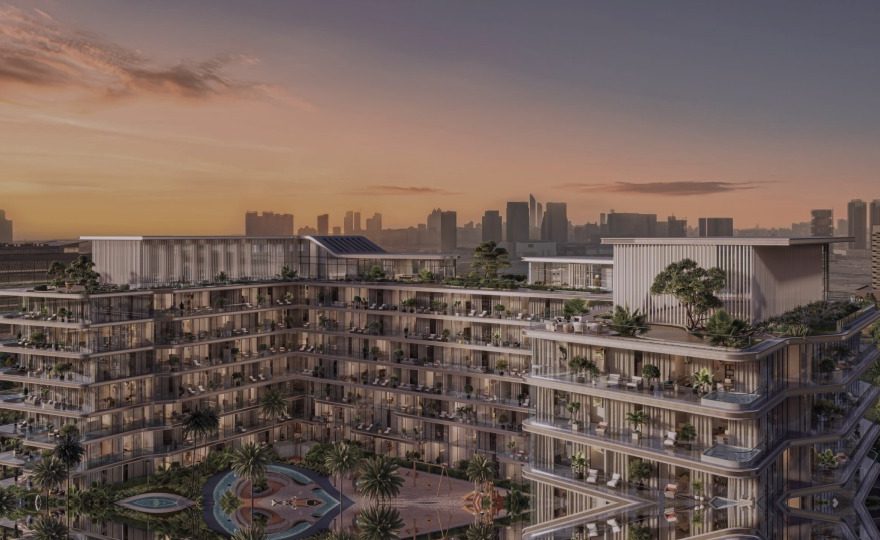
Fresh air, natural light, and lower utility bills are becoming the new expectations. People now want homes that are good for the planet and their wallets. This shift is changing how buildings are designed from the ground up. Green materials and clever engineering are no longer rare additions. They are essential parts of modern construction. These priorities are now standard in new property developments Dubai.
Carbon-conscious construction:
Builders are choosing materials with a lower environmental cost. They use recycled steel, bamboo flooring, and reclaimed wood. These choices reduce the carbon footprint created during construction. The manufacturing process for these items produces fewer emissions. This approach means the building starts its life with a lighter impact on the earth.
Water conservation systems:
Rainwater collection is becoming a common feature. Special tanks capture water from the roof for garden use. Low-flow faucets and dual-flush toilets cut daily water waste dramatically. Greywater systems recycle water from showers and sinks for irrigation. These methods reduce demand on local supplies. They turn a building into a water-wise structure.
Energy-positive design:
New buildings are designed to produce their own energy. Solar panels cover the rooftops. Some buildings use small wind turbines. The goal is to generate as much power as the building consumes. Many designs now produce extra energy that feeds back into the local grid. This approach turns a residence into a small, clean power station.
Waste reduction protocols:
Construction sites now follow strict waste management plans. Leftover materials are sorted and sent for recycling. Off-site prefabrication creates less mess and waste. Precise measurements mean fewer wrong cuts. This careful planning keeps tons of debris out of landfills. It shows a commitment to a cleaner building process.
Improved indoor air quality:
Modern ventilation systems bring in fresh outdoor air constantly. They filter out dust, pollen, and other pollutants. Low-VOC paints and adhesives release fewer harmful chemicals. These features create a healthier indoor environment. Clean air contributes to better sleep and clearer thinking. It makes the building a healthier place to live.
Dynamic facades and shading:
Exterior walls now respond to the weather. Some have fins that rotate to block harsh sunlight. Others use materials that reflect heat away in summer. This reduces the need for artificial cooling. These smart exteriors keep indoor temperatures stable and comfortable. They add a layer of efficiency that works silently all year round.